
AMC management software costs between ₹5,000 and ₹20,000 a month for most Indian service businesses, priced on how much you actually use it rather than on how many people you employ. That number is the first thing every buyer wants and the last thing most vendor websites will tell you, so it goes at the top here.
The harder question sits underneath it. Annual maintenance contracts look standardised from the outside and almost never are once you read three of them side by side. Whether a tool fits you has less to do with its feature list than with whether it can hold the way your contracts are actually written.
What AMC management software costs
Usage-based pricing means the bill tracks the size of the operation, not the size of the office. The things that move it are the number of live contracts you are carrying, how much equipment sits under those contracts, how many engineers are logging visits from the field, and how many sites you serve.
A firm running 60 contracts on a single equipment type with four engineers sits at the bottom of that range. A firm carrying 800 contracts across multiple brands, several cities and a 30-person field team sits at the top. Nothing about that is unusual, and neither end of it justifies a six-figure implementation.
We price it this way because per-seat pricing does something perverse in field service: it charges you more for putting engineers on the tool, which is exactly the behaviour the tool depends on. A system nobody in the field updates is a spreadsheet with extra steps.
This is a different product from custom-built software, and it is worth being clear about which is which. A custom ERP build is a project: scoped, quoted, delivered over months, priced in lakhs. AMC management is a product we already run, configured to your contracts and billed monthly.
Where a generic service CRM stops fitting
Most service CRMs assume a contract is a customer, a start date, an end date, and four visits a year. Plenty of businesses do work that way, and if yours is one of them, a packaged tool will serve you well.
The friction shows up in the contracts that do not fit that shape:
Mixed cover. Labour is included, spares are chargeable above a consumption cap, and a specific subsystem is excluded entirely. The system needs to know which line on a service report is billable before the invoice is raised, not after the customer disputes it.
Multiple brands under one contract. A hospital signs one AMC covering equipment from four manufacturers, each with a different service interval and a different spares lead time. One contract, one renewal date, four separate maintenance calendars underneath it.
Uneven visit schedules. Quarterly for the first year, then monthly once the machine crosses a usage threshold. Or visits driven by running hours rather than the calendar.
Penalty clauses. Response time commitments with money attached. If the system cannot tell you which calls breached the SLA this quarter, the clause is unenforceable in both directions.
Multi-site customers with one payer. Twelve buildings, one accounts department, twelve service histories that need to stay separate.
None of this is exotic. It is what an AMC looks like once a business has been signing them for a decade and has learned what to put in writing.
Three industries where the details decide it
We have concentrated on three verticals, because the record-keeping in each is specific enough that generic tools leave real gaps.
Radiology equipment
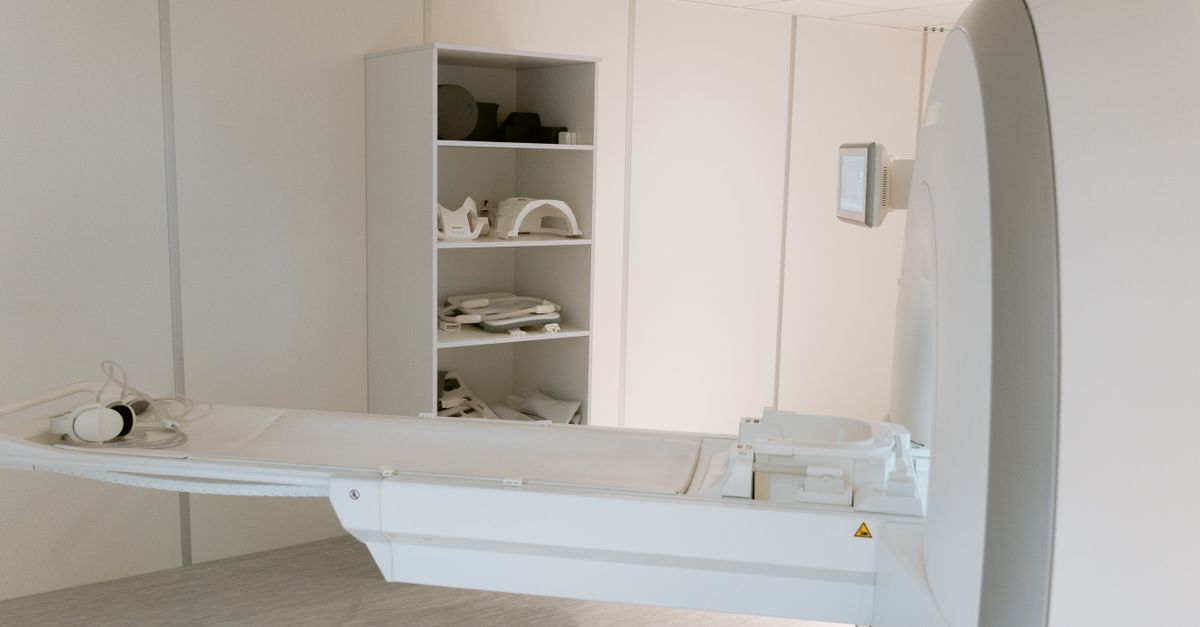
Machine-level service history matters more here than customer-level history, because the machine outlives the contract and often outlives the owner. Serial numbers, tube hours, engineer visit logs and the paper trail behind them all have to be retrievable years later, sometimes for reasons that have nothing to do with billing.
MIS Healthcare in Pune runs their radiology equipment servicing on our system. That work is the reason this vertical is the one we know best.
Elevators
Statutory inspections drive the calendar, and the calendar is per lift, not per building or per client. A single site can hold eight units on eight different schedules with eight different inspection due dates, and a missed date is a compliance problem rather than a service complaint. Breakdown response is where the SLA clauses bite hardest.
Fire and safety
Almost everything here is date-driven and audit-driven. Extinguisher refill dates, hydrant and sprinkler testing intervals, certification renewals. The customer's own audit is the deadline that matters, which means the system's job is to make sure nothing comes due unnoticed and that the evidence exists when someone asks for it.
When you should not buy this
If you are carrying fewer than about 40 contracts on one equipment type, a well-kept spreadsheet and a calendar reminder will hold. Software will not fix a process that a person is still managing perfectly well in their head, and buying it early mostly buys you data entry.
If your contracts genuinely are the standard shape (one machine, fixed visits, no exclusions), several packaged Indian AMC tools do that job competently and cheaply, and you should look at those before you talk to us.
The case for something configurable starts when renewals begin slipping through, when nobody can answer which contracts are actually profitable, or when the person who knows the schedule becomes a single point of failure. We have written before about why fast service response alone does not protect AMC revenue. The revenue that leaks out of a service business rarely announces itself.
Getting it running
The setup effort is almost entirely about your existing contract register. Getting live contracts, covered equipment, renewal dates and service history out of wherever they currently live and into a structure that will hold is the work; configuring the software around them is comparatively quick. Onboarding is measured in weeks, not months.
The part worth planning for is the field side. Engineers updating job status from a phone is what makes the rest of it true, and that habit takes a few service cycles to settle.

Photo by ranjeet . on Pexels
Common questions
Is it priced per user? No. Pricing is usage-based, between ₹5,000 and ₹20,000 a month depending on live contracts, equipment under cover and field team size. Adding engineers to the app does not by itself increase the bill.
Can it handle equipment from multiple manufacturers under one contract? Yes. Each piece of equipment carries its own service interval and history while sitting under a single contract and a single renewal date.
Do you build custom AMC systems as well? Where a business has requirements the product genuinely cannot hold, yes, and that is a scoped project priced separately. For most service businesses it is not necessary, and we will say so rather than sell it.
What happens to our existing data? It gets imported. Contract registers in Excel, exports from an older tool, and paper records that need entering are all normal starting points, and the import is part of onboarding.
Does it work for industries outside the three listed? The contract logic is not industry-specific. It applies to any business selling maintenance cover on installed equipment. Radiology, elevators and fire safety are where our domain knowledge runs deepest, which is a different thing from where the system stops.
Can we see it before committing? Yes. A walkthrough against two or three of your own contracts is more useful than a generic demo, and it tends to surface the awkward clauses early.
If you are carrying AMCs and the tracking has outgrown whatever is holding it now, tell us what your contracts look like and we will tell you plainly whether this fits.
Images: Photo by MART PRODUCTION on Pexels. Photo by ranjeet . on Pexels.
Monthly newsletter
Found this useful?
Get our monthly insights — no fluff.
You're subscribed. Talk soon!
Was this article useful?
Keep reading
You might also like

Aug 20, 2026 · 8 min read
HVAC Field Service Management Software Costs in India

Aug 17, 2026 · 6 min read
What a Custom ERP Actually Costs in India (And What Makes the Price Move)
Jun 30, 2026 · 5 min read